CNC engraving machines are skilled in precision machining with small tools and possess the ability to milling, grinding, drilling, and high-speed tapping. They are widely used in various fields such as the 3C industry, mold industry, and medical industry. This article collects common questions about CNC engraving processing.
What are the main differences between CNC engraving and CNC milling?
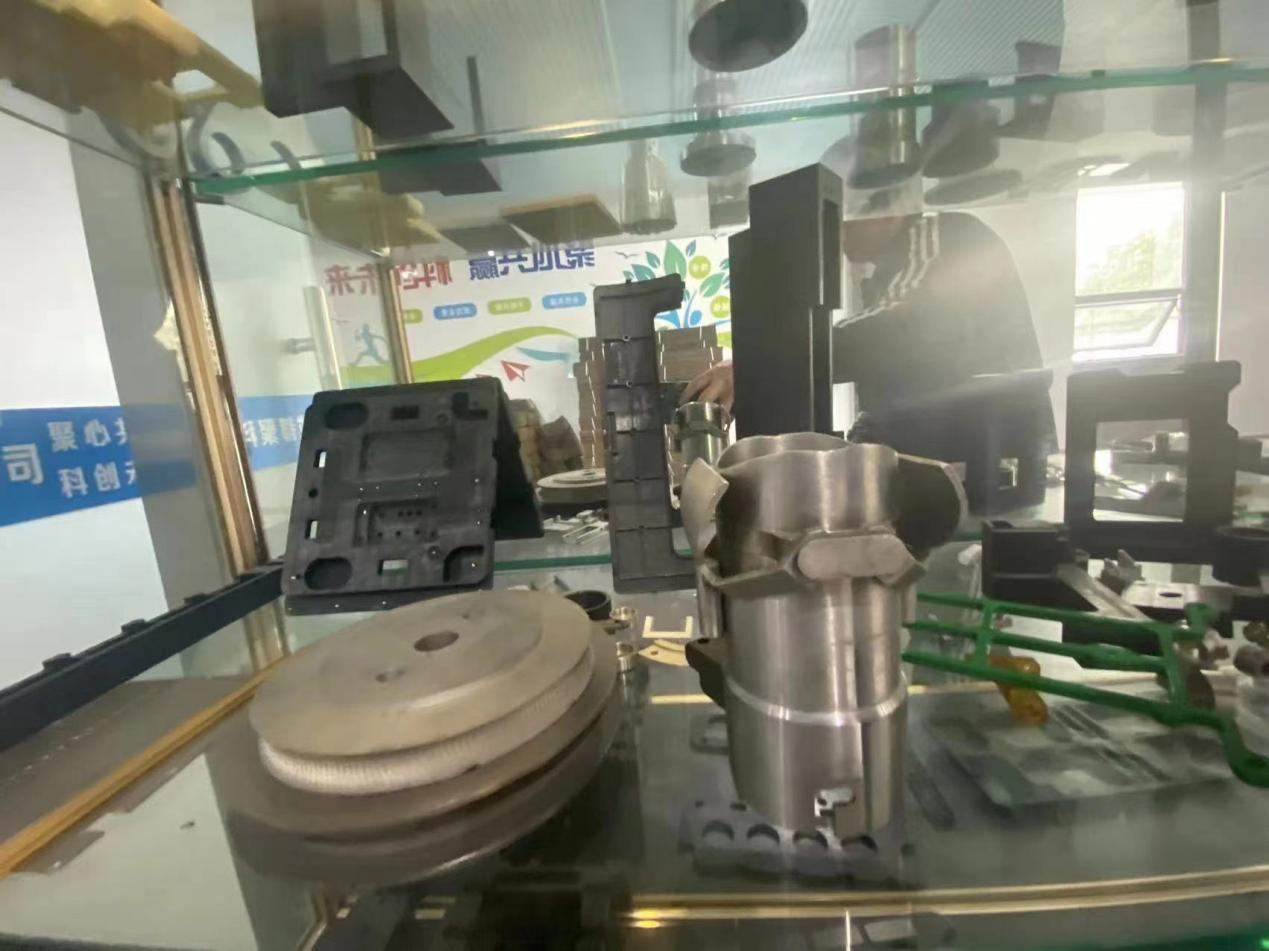
Both CNC engraving and CNC milling processes use milling principles. The main difference lies in the tool diameter used, with the commonly used tool diameter range for CNC milling ranging from 6 to 40 millimeters, while the tool diameter for CNC engraving processing ranges from 0.2 to 3 millimeters.
Can CNC milling only be used for rough machining, while CNC engraving can only be used for precision machining?
Can CNC engraving process be used for rough machining of steel materials?
Can adding a speed increasing head to the spindle of the CNC machining center complete engraving processing?
What are the main factors that affect carving processing?
What are the requirements for the control system in CNC engraving processing?
What characteristics of materials will affect processing?
What materials are suitable for carving processing?
What is the impact of the cutting tool itself on the machining process and how does it affect it?
What is the formula for tool life?
How to protect carving machine equipment during the processing?
What is the function of cutting fluid?
What are the stages of tool wear?
Why and how do cutting tools need to be run in?
How to determine severe tool wear?
When should I change the knife?
Can severely worn tools continue to be machined?
How to determine the extension length of the tool during rough machining?
How to handle sudden tool breakage during processing?
How to adjust processing parameters when rough machining is not good?